Cat Bunting Behavior: What Does It Mean?

16.3K
1.6K
634

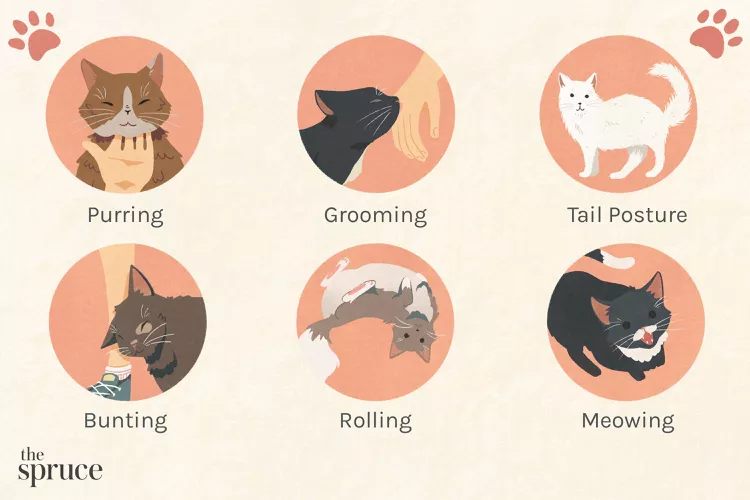
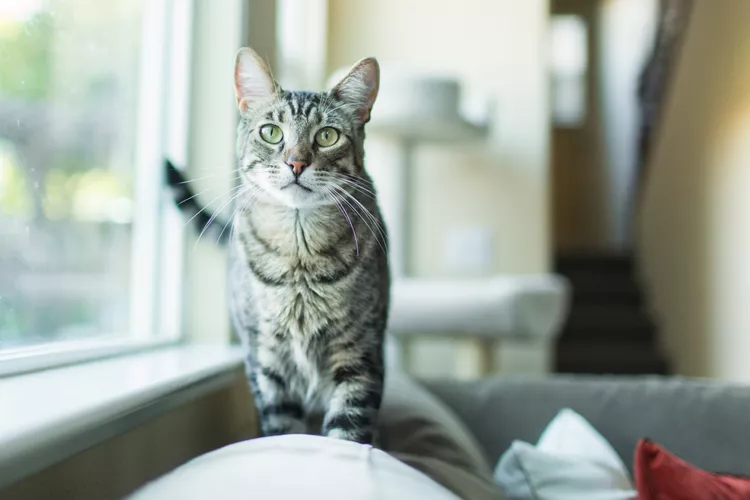
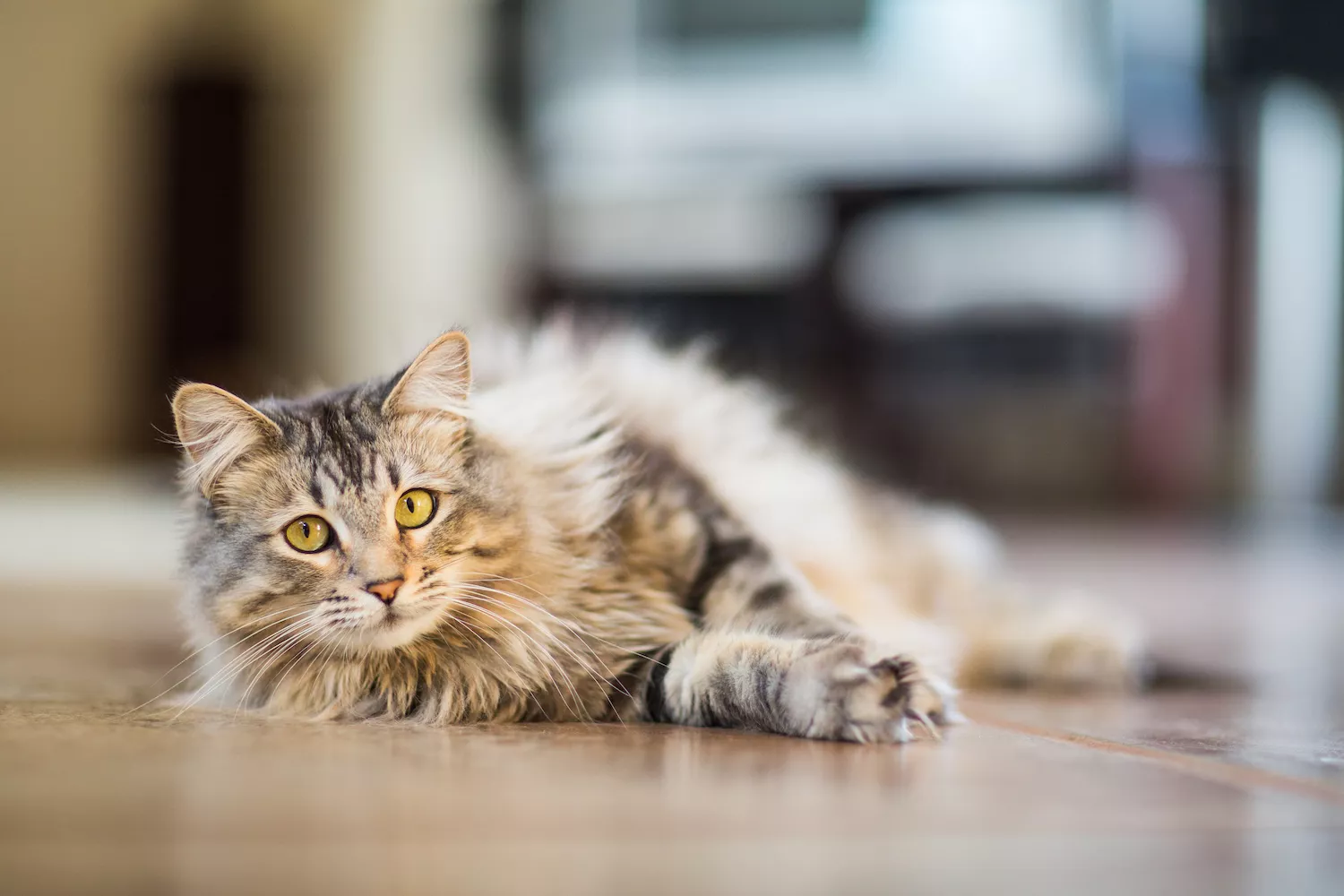
Called bunting, cats rub their heads against prominent objects to leave chemical markings as a part of scent communication. Depending on the object of the cat's communication, they may be claiming ownership or indicating pleasure.

Cats' Pheromone Glands

Cats have several different pheromone producing glands all over the body. They are located between the toes, beneath the chin, the corners of the mouth, the temples, along the length of the tail, and the ears. Cats tend to use the entire head in sometimes luxurious rubbing displays.

Which part of the head is used depends on the height of the target object. The forehead and ears usually are rubbed on the highest objects while head-height objects are marked with a swipe from the corner of the mouth to the ear. Lower objects get rubbed with the chin and throat.

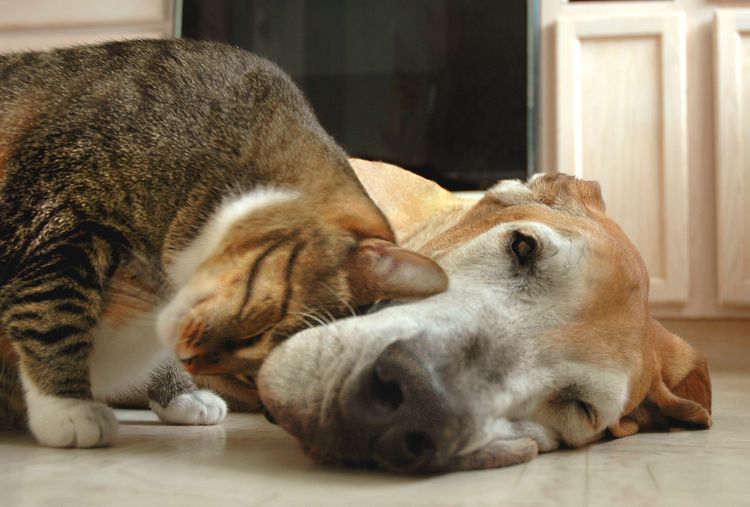
When cats bunt each other, this is often done as a form of social bonding. It is done among cats who are friendly and familiar and is usually initiated by the more dominant cat as a way to make all the cats in the colony "smell" the same.

Head Rubbing on Owners

Some cats become pushy and turn the behavior into a head-cracking contest (ouch!), while others slowly rub their body and tail around and around human ankles.

We can't know for sure, but cats tend to scent-mark objects that are most important to them. They use rubbing with friendly cats, not with strangers. A cat who head-rubs your face with wide-open eyes close to your face pays you a huge compliment in terms of trust by placing herself in a vulnerable position. She is saying that you are a part of her tribe.

If you suspect your pet is sick, call your vet immediately. For health-related questions, always consult your veterinarian, as they have examined your pet, know the pet's health history, and can make the best recommendations for your pet.

New

Orchids on display in a shop
35.5K
1.8K
425
Can Cats Eat Carrots? How to Safely Feed This Vegetable To Your Feline
Cat Nutrition & Food
Orchids on display in a shop
13.1K
1.3K
210
How Much Wet Food to Feed a Cat Every Day
Cat Nutrition & Food
Orchids on display in a shop
37K
1.5K
369
Can Cats Eat Tuna?
Cat Nutrition & Food
Orchids on display in a shop
27.6K
552
204
Exploring Pet-Friendly Wineries: Types, Locations, and More
Dog Beginner
Orchids on display in a shop
40.6K
1.6K
811
8 Halloween Safety Tips for Pets
Dog Beginner
Orchids on display in a shop
2.1K
124
21
Why You Should Keep Cooked Bones Away From Your Dog This Holiday Season
Dog Nutrition & Food
Orchids on display in a shop
41.3K
2.1K
1K
Keeshond: Dog Breed Characteristics & Care
Dog Nutrition & Food
Orchids on display in a shop
8.8K
262
44
Can Dogs Eat Kale?
Dog Nutrition & Food
Orchids on display in a shop
47.2K
1.9K
698
Dog Food Basics
Dog Nutrition & Food
Orchids on display in a shop
34K
1.4K
665
Rapid Breathing in Cats
Cat Health & Wellness
Orchids on display in a shop
47.9K
2.4K
958
Ear Infections in Cats
Cat Health & Wellness
Orchids on display in a shop
19.6K
981
284
How to Help a Pregnant Cat Give Birth
Cat Health & Wellness
Orchids on display in a shop
25.3K
253
103
How Pinworms Affect Families and Pets
Cat Health & Wellness
Orchids on display in a shop
25.9K
1.3K
362
Anemia in Cats
Cat Health & Wellness
Orchids on display in a shop
40K
4K
1.2K
Play vs. Aggression Between Cats: What's the Difference?
Cat Behavior & Training
Orchids on display in a shop
40.3K
2.4K
556
How Cats Show They Love You
Cat Behavior & Training
Orchids on display in a shop
44.4K
1.8K
532
Why Do Cats Chase Lasers?
Cat Behavior & Training
Orchids on display in a shop
13.4K
1.2K
555
Training Your Kitten to Use the Litter Box
Cat Behavior & Training
Orchids on display in a shop
49.3K
4.9K
2K
Understanding How Cats Speak Through Ear Movements
Cat Behavior & Training
Orchids on display in a shop
2.4K
47
17
Litter Box Basics Every Cat Owner Should Know
Cat Behavior & Training