Litter boxes are necessities for all indoor cats. They not only provide contained and predetermined locations for a cat to urinate and defecate, but they also allow the pet owner to easily clean up after their cat. Despite the obvious uses of litter boxes, these receptacles are also very important to the mental well-being and overall health of a cat. Cat owners may help prevent several issues in their cats by following a few basics guidelines regarding litter boxes.
Choosing a Litter Box
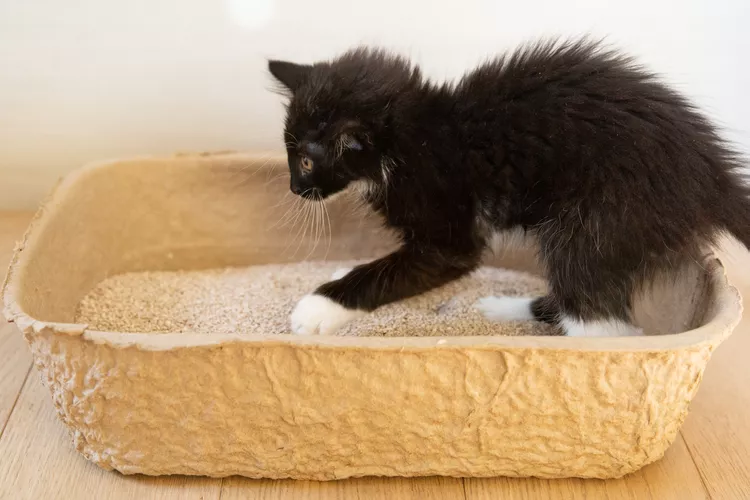
A litter box should be large enough to provide a cat with ample room to eliminate its waste. A well-stocked pet store will have many sizes to choose from. Consider the size of your cat when selecting a litter box. For example, kittens may be fine with a smaller box to start but a very large breed of cat, such as an adult Maine Coon will need a much larger box. If a box is too small, a cat may leave its waste matter next to the box since its hind end hangs over the edge of the box during use.
Along with litter box size, your cat needs to be comfortable getting into and out if its litter box. Some boxes have very high sides (like top-entry litterboxes) that older, arthritic cats have difficulty climbing into. If you have an older cat or cat with mobility issues that is suddenly not wanting to use the litter box, make sure it's not because it's too difficult for your cat to climb into it.
Finally, avoid enclosed litter boxes. Enclosed litter boxes are dark, hold in smells, and are not inviting for a cat to eliminate inside of. These qualities make a cat less likely to want to use a litter box and instead encourages them to go outside the box.
Choosing a Litter
If you're selecting a litter that would be best for your cat, consider unscented and low-dust options first and foremost. Fragrances and dusty litters can be offensive and irritating to cats and leave them more likely to avoid using the litter box or develop health issues.
Of course, you'll also want to choose a litter that makes the cleaning of the litter box easy, too. Most cat owners prefer clumping litter that makes it easy to scoop waste, low-tracking litters that don't get all over the house, and absorbent litters that help control odors. Price, natural ingredients, environmentally friendly options, weight, and other factors are also important things to consider when choosing a cat litter but make sure you don't change litter types too frequently or you may encourage litter box avoidance in your cat.
Useful Litter Box Supplies
Aside from the litter and the box itself, you'll want to purchase a litter scoop. Some cat owners also like to sprinkle baking soda into the litter to help with odors. A litter catching mat is another accessory you may want to consider.
Litter Box Location and Quantity
How many litter boxes a cat has and where they are located are very important aspects to consider. Experts recommend having at least one litter box on each floor of your home that your cat has access to and one more box than you have cats. This means if you have one cat, you should have at least two litter boxes, and if you have a two-story home, one of those boxes should be on each floor. If you have more than one cat, make sure that you still have at least one box on each floor of your home, but also ensure that no litter box has a direct line of sight with another box. The quantity of litter boxes and their placement in your home can be critical to preventing behavioral issues among your cats.
Keeping Litter Boxes Clean
Litter boxes should be kept clean by scooping out waste daily. About two to three inches of litter should be placed in the litter box to allow ample depth for absorbing urine as well as facilitate digging behavior from your cat. But this depth doesn't mean you should wait until all the litter is used up before cleaning the box. A regularly cleaned, well-chosen litter box is a key part of a happy, healthy indoor cat's environment.
New