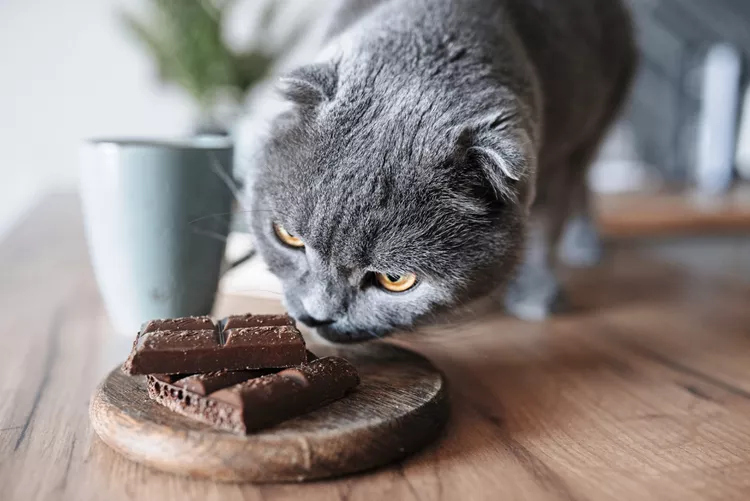
Chocolate is toxic to cats, so they should't eat it. While most pet owners are more concerned about their dog eating chocolate (dogs account for about 95% of chocolate consumption calls to pet poison hotlines), it's just as important that you prevent chocolate ingestion in your cat. Even a small amount of chocolate can be bad for cats, and can cause symptoms ranging from vomiting to seizures and even death. Knowing what can happen and what to do when cat and chocolate combine can save a life.
Why Is Chocolate Bad for Cats?
That's mainly because chocolate contains ingredients called theobromine and caffeine, which are toxic to cats if consumed in large enough quantities. Cats absorb theobromine much more slowly than humans, so even a small amount of chocolate can be toxic to a small cat. Caffeine is chemically similar to theobromine and stimulates a cat much more than a human because cats are much more sensitive to it.
Chocolate toxicity in cats can cause various signs, including death, if a cat is not treated promptly. Each cat has different sensitivity levels to theobromine and caffeine, so if your cat has eaten chocolate, contact your veterinarian immediately, even if you don't think the kitty ingested very much.
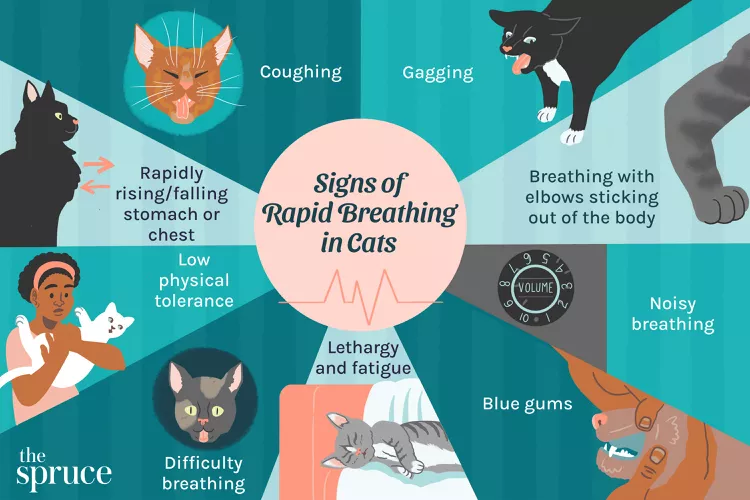
Because cats are more sensitive to the components of chocolate than we are, you'll see obvious signs if a cat eats even a small amount. Initially, vomiting and diarrhea can occur along with hyperactivity. If untreated, your can may experience increased thirst, restlessness, and tremors. If you cat ingests a relatively large amount of chocolate, they may have seizures, experience stiffness, rapid breathing. They may even die without quick veterinary treatment.
How Much Chocolate Is Bad for Cats?
The toxic dose of theobromine in cats is 200 milligrams per kilogram, but different types of chocolate contain different amounts of theobromine. Baking, semi-sweet, and dark chocolates pose a greater risk to a cat than milk chocolate. White chocolate is not a concern for theobromine and caffeine toxicity because it doesn't contain cocoa solids like other types of chocolate. White chocolate has extremely low levels of the chemicals needed to produce toxic effects in a cat.
Baking chocolate is not sweet, usually comes in large bars or 4-ounce chunks, and is mainly used as an ingredient. An 8-pound cat only needs to bite off 0.2 ounces of baking chocolate for it to be dangerous. Cats need to ingest slightly more if the chocolate is semisweet or dark, but it still only takes 0.5 ounces for a cat to consume a toxic amount. Milk chocolate contains far less theobromine and caffeine than the more dangerous chocolate varieties, so a cat has to eat just over 1.1 ounces to ingest a toxic level.
Treatment of Chocolate Toxicity in Cats
If your cat is at risk for chocolate poisoning, then your veterinarian may induce vomiting to empty their stomach content. This is not something you can safely do at home.
Warning
Do not use hydrogen peroxide to make your cat vomit at home. Although this was once common advice, it's now known that ingesting hydrogen peroxide can cause serious gastrointestinal injury to cats. Instead, bring your cat to your vet (or the nearest open vet facility) as soon as possible.
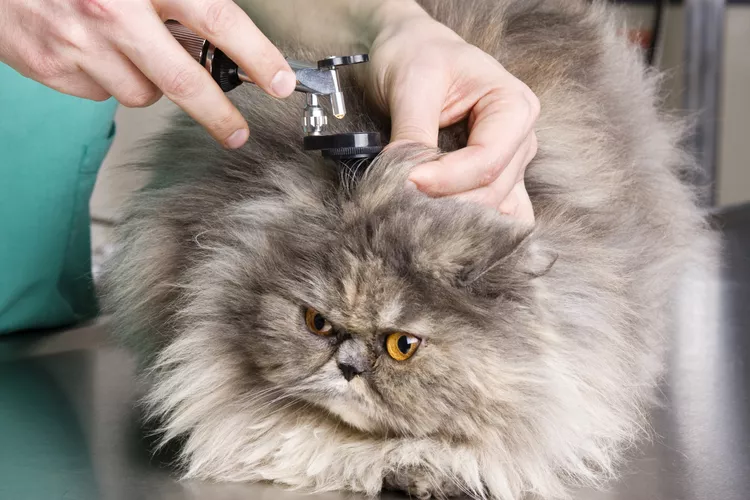
Once at your veterinarian's clinic, your cat may need fluid therapy to stay hydrated along with blood or urine tests. An ECG may also be performed to look for abnormal rhythms of the heart. Vets will treat your cat's signs as needed, and your kitty will probably eat a bland diet for the next few days. Death is possible if your cat eats too much theobromine and doesn't get treatment quickly enough.
New